Welcome to ReviveBox – Recover. Recharge. Revive.

0321 133 1414
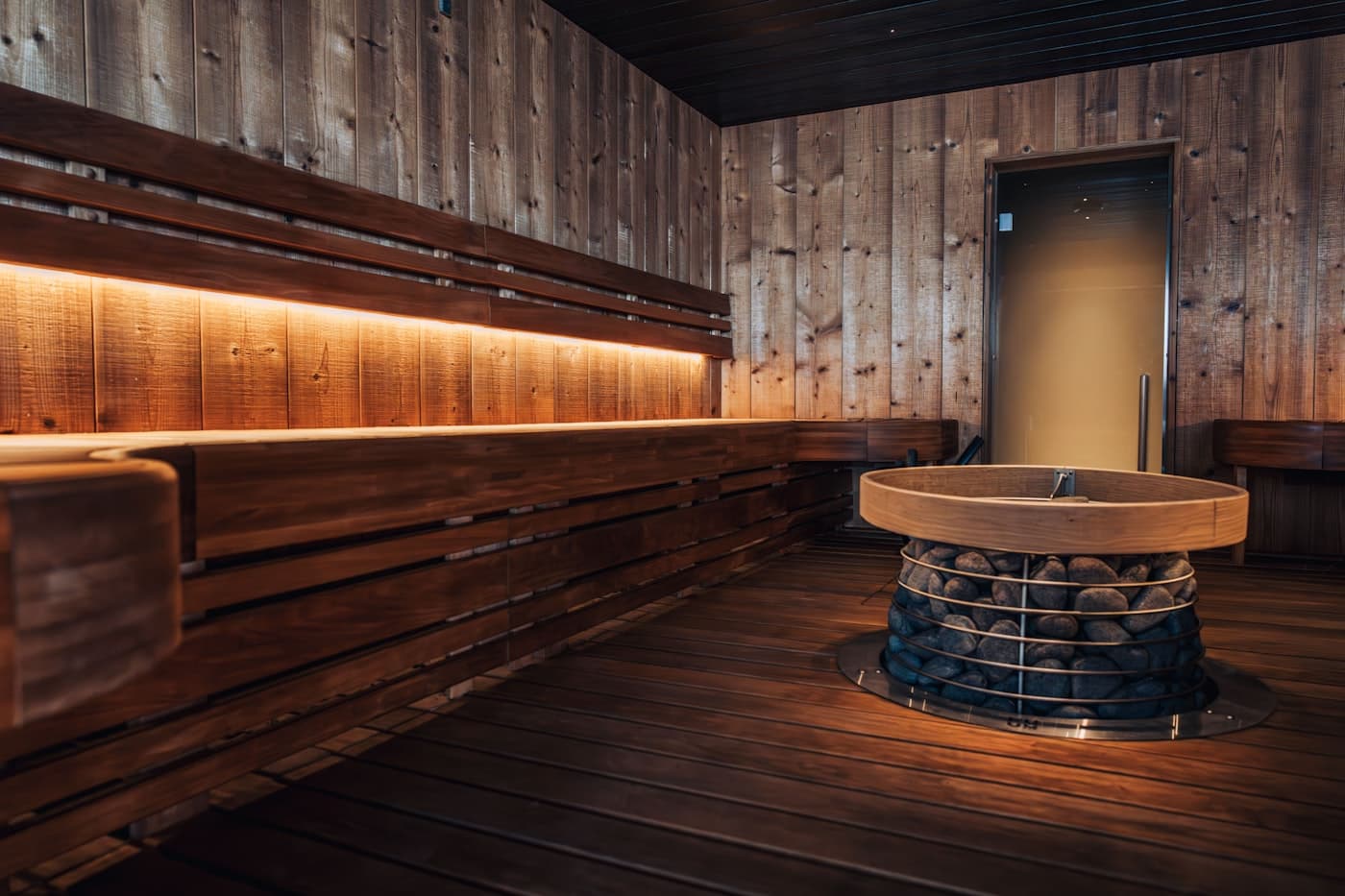
Warmly lit modern sauna interior with wooden benches and a stone heater

Health & Wellness

The benefits of heat, cold and light

Five therapies, what each one actually does, and what the research supports — so you can choose the right setup for your space and your goals.

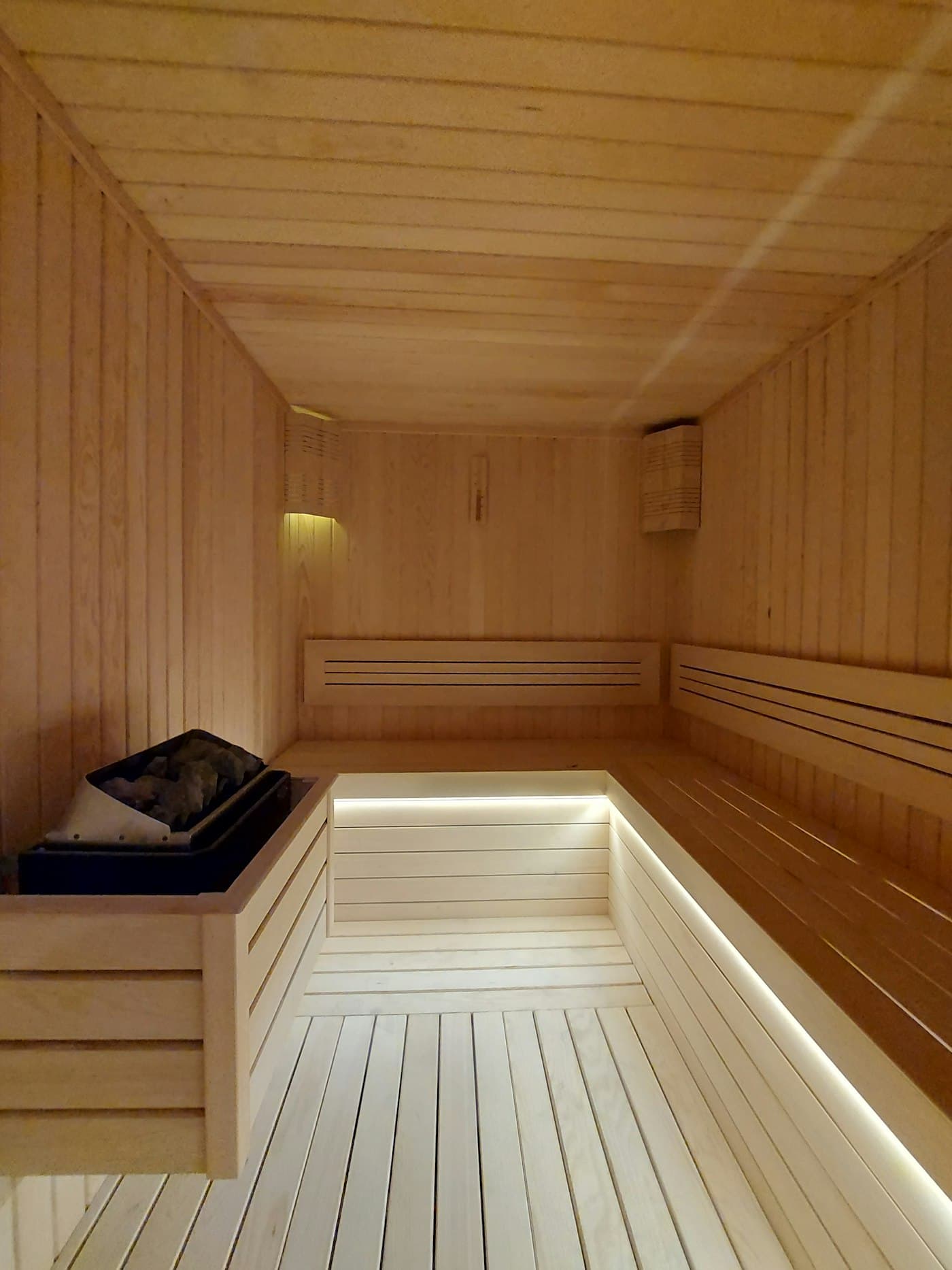
Modern light-wood infrared sauna cabin interior with bench seating
Radiant heat

Infrared Sauna

Instead of heating the air around you, an infrared sauna uses infrared emitters to warm your body directly. That means you get a deep, sweat-inducing session at a noticeably lower air temperature — which is why people who find traditional saunas too intense often start here.

Temperature
45–60°C / 113–140°F
Humidity
Low (dry)
Typical session
20–45 min

Cardiovascular support

Regular sessions produce a mild cardiovascular load similar to light exercise — heart rate rises, blood vessels dilate. Reviews of far-infrared sauna use report improvements in blood-vessel (endothelial) function and reductions in blood pressure, though infrared-specific trials are still generally small and short-term.

Muscle recovery and stiffness

The gentle, penetrating heat increases circulation to muscle and joint tissue, which many people find eases post-training soreness and general stiffness.

Comfortable at lower temperatures

Because the air stays cooler, sessions are easier to tolerate for longer — useful if high heat makes you lightheaded or you're new to sauna bathing.

Stress and sleep

The combination of warmth, quiet and enforced stillness reliably lowers perceived stress, and many users report falling asleep more easily on days they use it.

Best for

Beginners, anyone sensitive to high heat, and people focused on recovery and relaxation at home.

Worth knowing

Most large-scale mortality and heart-health data comes from traditional Finnish saunas, not infrared — treat infrared-specific claims as promising rather than settled.
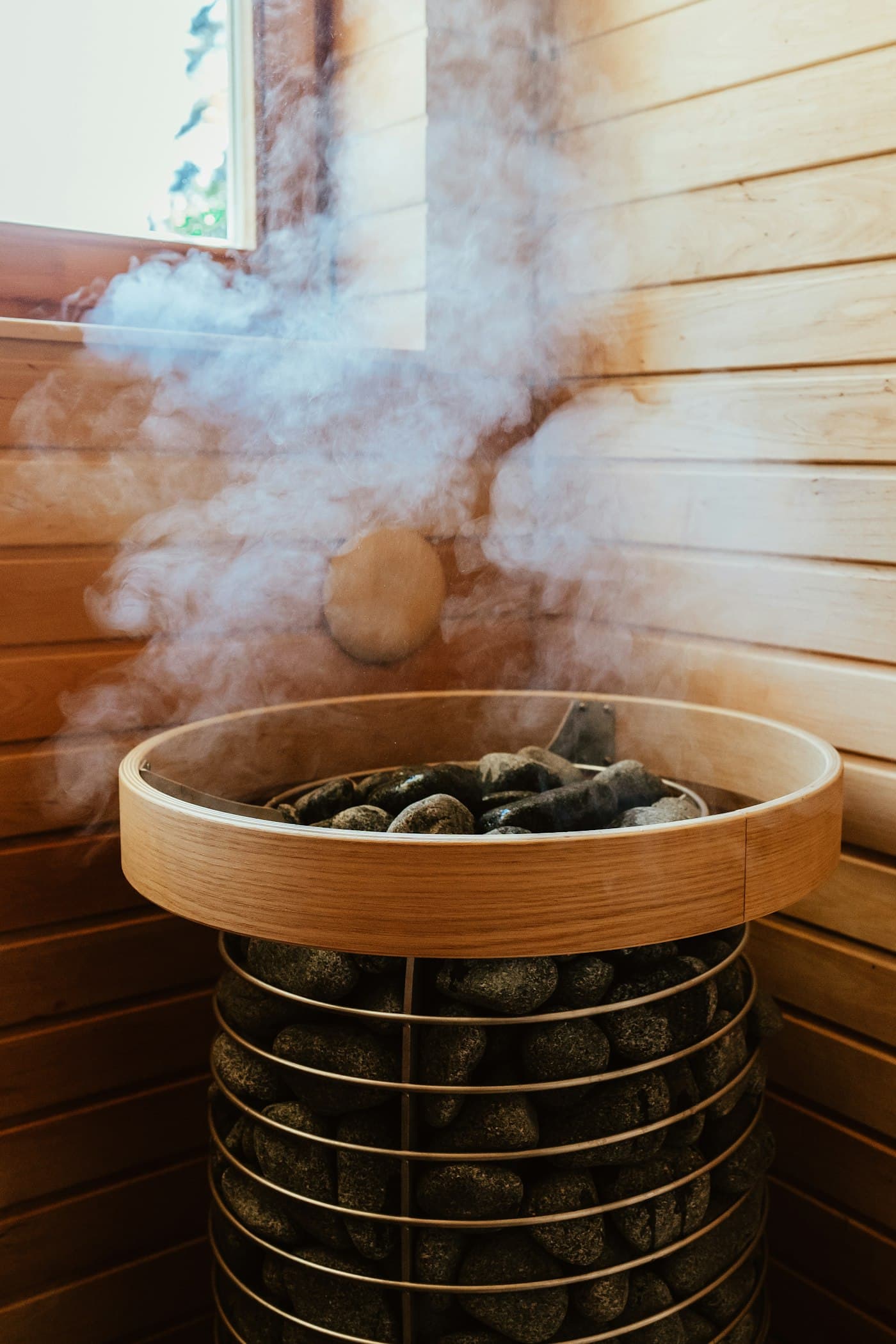
Steam rising from hot dark stones on a sauna heater in a wooden room
Moist heat

Steam Sauna & Steam Room

A steam room runs cooler than a sauna but saturates the air with moisture. The wet heat feels hotter than the thermometer suggests, and because the air is fully humid, sweat can't evaporate — which is exactly what makes it feel so enveloping.

Temperature
43–50°C / 110–122°F
Humidity
Close to 100%
Typical session
10–20 min

Airways and congestion

The high-humidity environment is the standout use case: warm, moist air helps loosen mucus and soothe irritated airways, which is why people with congestion or sinus discomfort often prefer steam over dry heat.

Skin hydration

Unlike dry heat, steam adds moisture at the skin surface, opening pores and leaving skin feeling softer — a common reason steam is paired with skincare routines.

Muscle relaxation

Moist heat penetrates well and helps relax tight muscles, making steam a gentle option on rest days or after travel.

Circulation and immune response

As with other heat therapies, blood vessels dilate and circulation increases; some research also points to a rise in white blood cell activity.

Best for

Anyone prioritising breathing comfort, skin hydration, or a gentler heat than a Finnish sauna.

Worth knowing

The research base for steam rooms is much smaller than for traditional saunas. Humid heat also raises hygiene requirements — steam rooms need proper drainage, ventilation and regular cleaning.

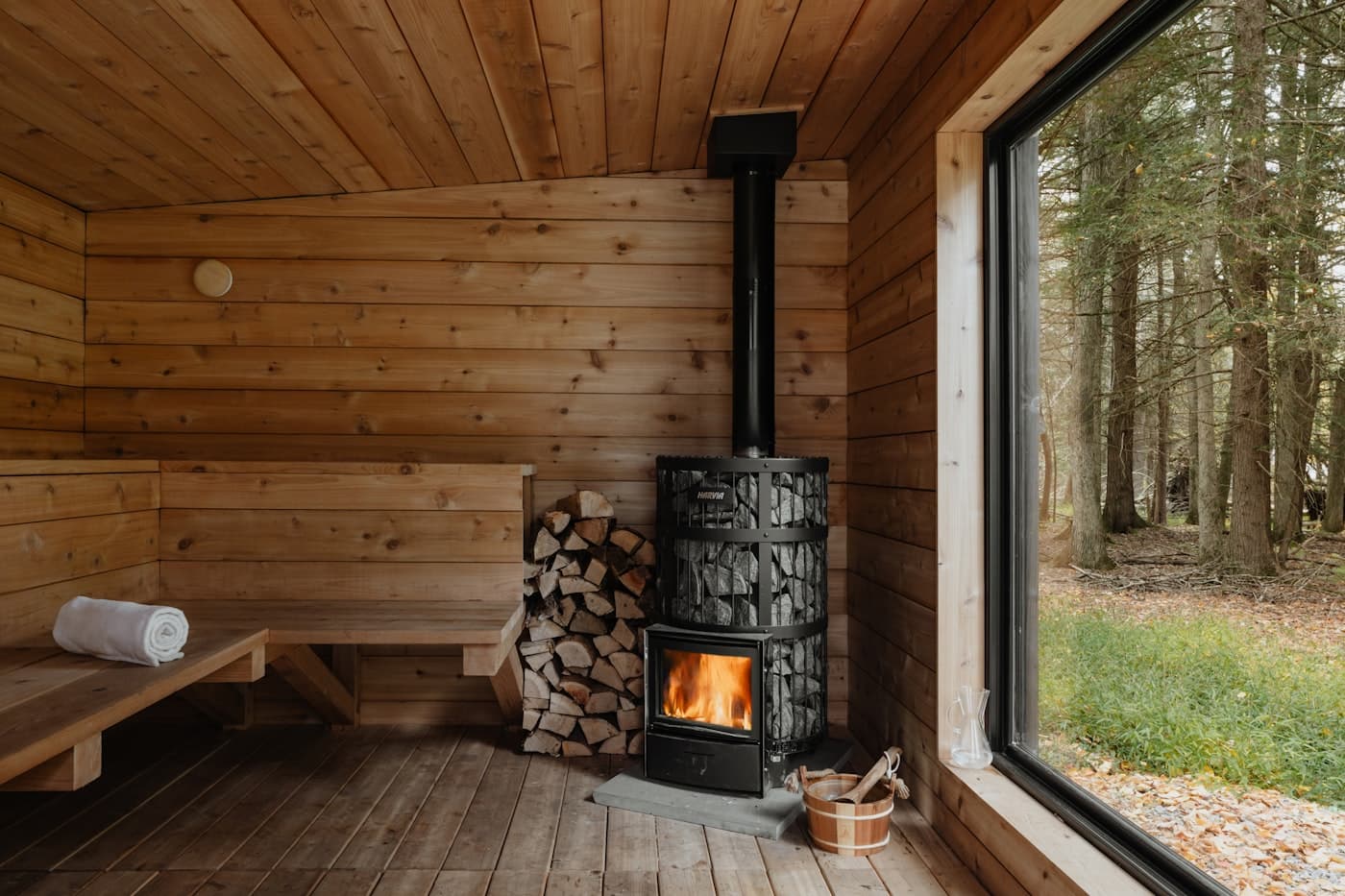
Wood-burning sauna heater with stacked firewood in a timber-lined sauna cabin
Dry heat

Traditional & Finnish Sauna

The classic: a wood or electric heater, a bed of stones, and dry air at high temperature. Water thrown on the stones produces löyly — a short, intense burst of steam. This is the format with by far the deepest body of long-term research behind it.

Temperature
70–100°C / 158–212°F
Humidity
~10% (dry, with löyly steam bursts)
Typical session
10–20 min per round

The strongest cardiovascular evidence

A long-running Finnish cohort study followed roughly 2,300 middle-aged men for around 20 years and found that more frequent sauna bathing was associated with lower rates of sudden cardiac death, fatal coronary heart disease and all-cause mortality. Men using a sauna 4–7 times per week showed markedly lower cardiovascular mortality than once-weekly users.

Blood pressure and vascular function

Repeated heat exposure causes vessels to dilate and appears to improve vascular flexibility over time, with studies reporting reductions in blood pressure among regular users.

Recovery and perceived wellbeing

High heat followed by cooling is a long-established recovery ritual, widely reported to reduce muscle tension and improve mood and sleep quality.

A genuine heat-adaptation stimulus

The high temperatures place a real, repeatable load on the body's thermoregulatory system — the mechanism thought to drive many of the longer-term adaptations.

Best for

Experienced sauna users, anyone wanting the most research-backed format, and traditional contrast bathing with a cold plunge.

Worth knowing

Most of this evidence is observational — it shows association, not proof of cause. Build up heat tolerance gradually, stay hydrated, and don't combine with alcohol.

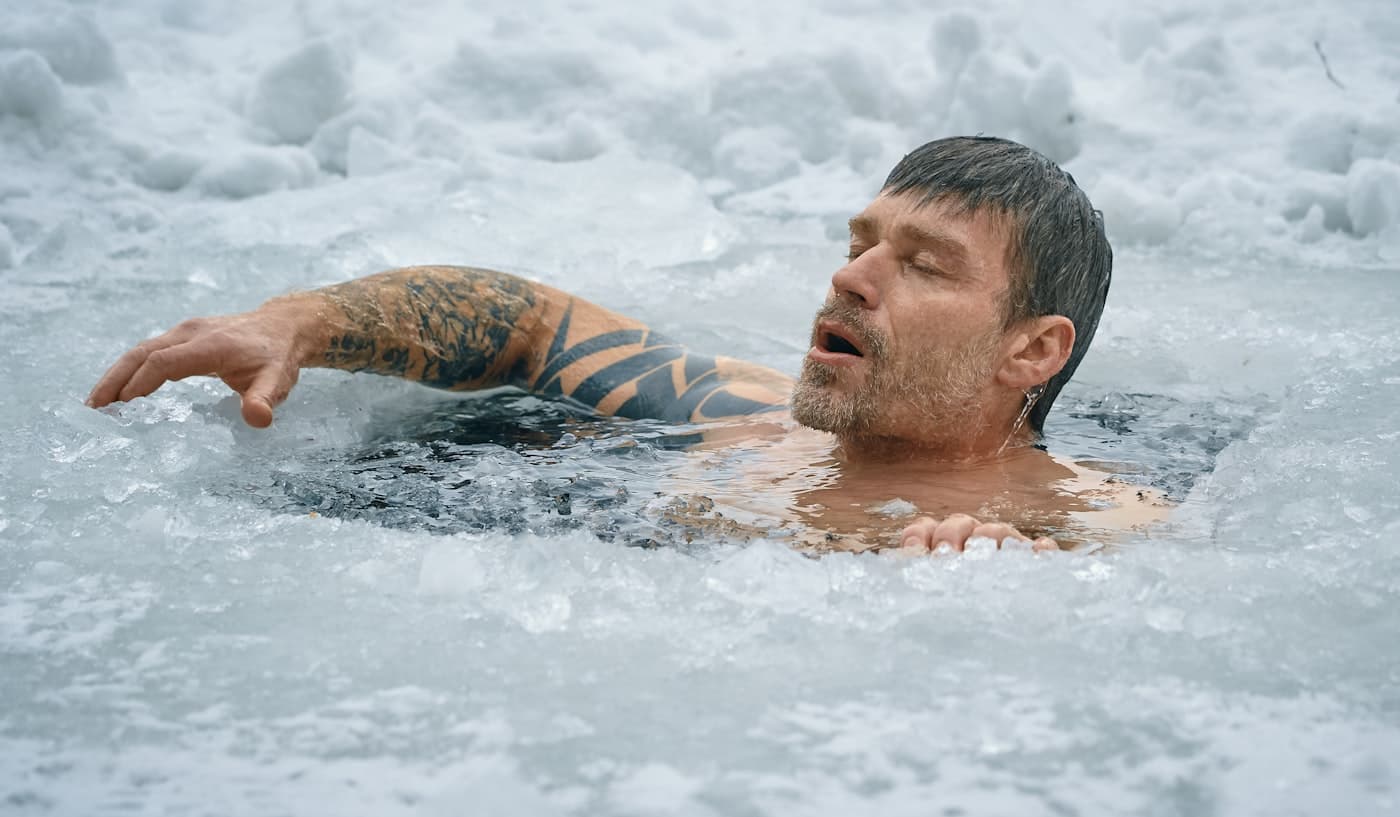
Person immersed in an ice hole during cold water immersion
Cold exposure

Ice Bath & Cold Plunge

Cold water immersion constricts blood vessels, blunts swelling and delivers a sharp adrenaline and alertness response. It's the other half of contrast therapy — and the one where the evidence is genuinely more mixed than the marketing suggests.

Temperature
10–15°C / 50–59°F typical
Format
Full-body immersion
Typical session
1–5 min

Reduced soreness after hard sessions

This is the best-supported benefit. Cold immersion reduces exercise-induced muscle damage and swelling, with studies showing meaningfully less soreness in the 24–72 hours after training.

Alertness, mood and stress resilience

The cold shock response triggers a sharp rise in alertness and focus, and many users report reduced stress and improved mood — one of the most consistently described subjective effects.

Sleep quality

There is some evidence, particularly among endurance athletes, that cold water immersion is associated with better sleep.

Contrast therapy

Alternating sauna heat with cold immersion is the traditional Nordic cycle, and remains the most popular way to use a plunge alongside a sauna.

Best for

Post-training recovery, contrast bathing after a sauna, and anyone chasing the alertness effect.

Worth knowing

Two things matter here. First, a 2024 meta-analysis suggests cold immersion immediately after resistance training may blunt muscle growth — if hypertrophy is your goal, separate the plunge from the lift. Second, cold shock is a genuine hazard: people with heart conditions or on certain medications should avoid cold plunging, and water below roughly 15°C / 60°F demands caution and supervision. Speak to a doctor first if you have any cardiovascular condition.

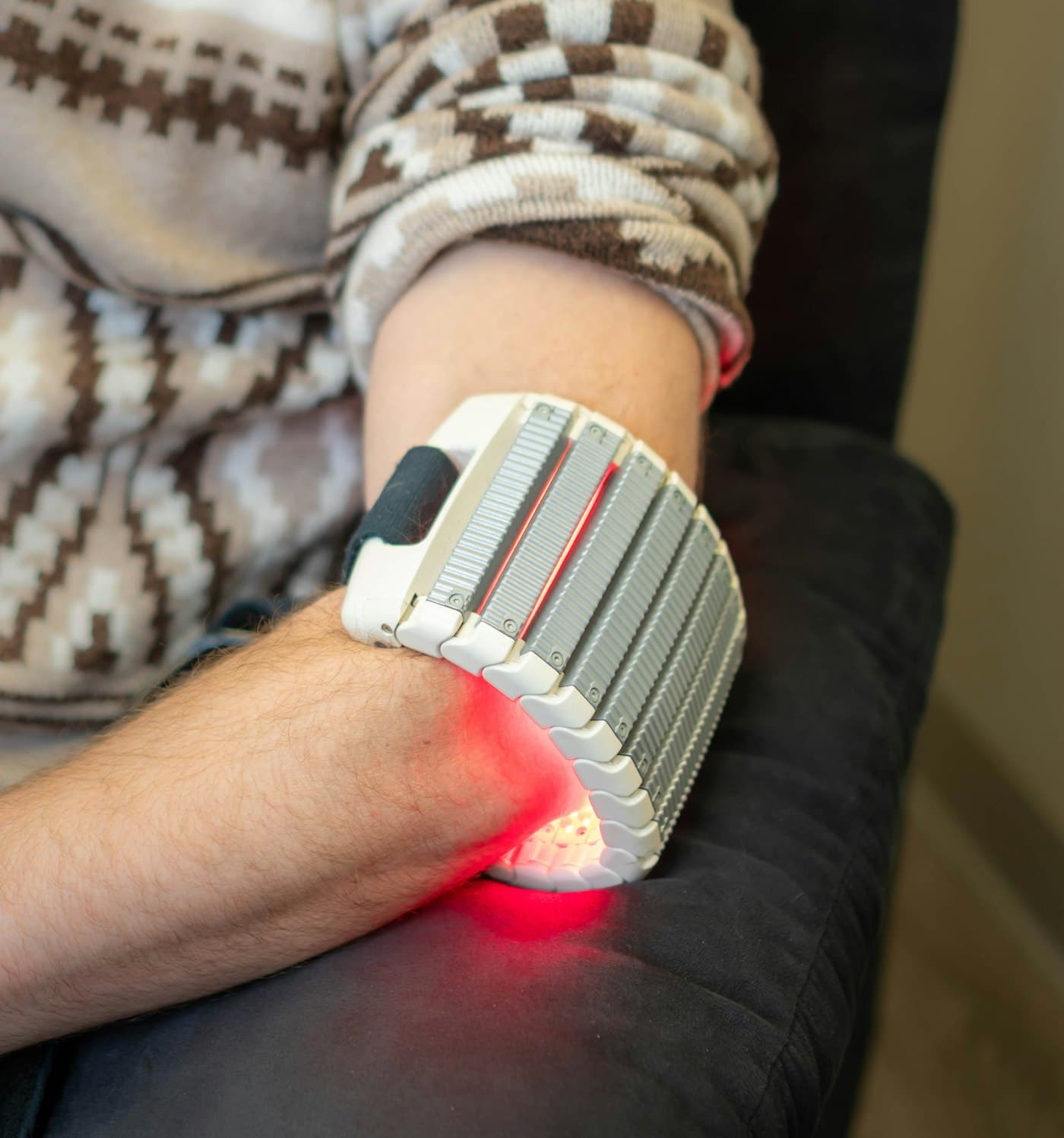
Red light therapy device applied to a person's arm
Photobiomodulation

Red Light Therapy

Red light therapy — clinically, photobiomodulation — uses specific red and near-infrared wavelengths rather than heat. The leading explanation is that these photons are absorbed by cytochrome c oxidase in the mitochondria, supporting ATP production and improving local circulation.

Wavelengths
~600–940 nm (red / near-infrared)
Heat
Minimal — this is light, not heat
Typical session
10–20 min

Skin quality and collagen

Red light stimulates fibroblast activity, which increases collagen and elastin production. Studies report measurable improvements in dermal density, skin texture and fine lines over a course of several weeks.

Muscle recovery

This is among the better-supported applications: systematic reviews of controlled studies report significant reductions in muscle soreness at multiple points after exercise, though study quality varies.

Tissue repair and circulation

Increased local blood flow and reduced oxidative stress are the proposed mechanisms behind faster healing of skin and soft tissue.

Convenient and low-intensity

Because there's no significant heat load, sessions are easy to tolerate and simple to fit into a daily routine alongside sauna or cold work.

Best for

Skin health, targeted recovery of specific joints or muscle groups, and anyone who wants a therapy that doesn't involve heat or cold stress.

Worth knowing

Dose matters — wavelength, output and distance all change the result, so follow the manufacturer's guidance rather than assuming longer is better. Use eye protection where the manufacturer specifies it.

Putting it together

The contrast therapy cycle

Heat and cold are most often used together. A typical Nordic cycle looks like this — adjust the timings to your own tolerance rather than pushing through discomfort.

Step 1

Heat

10–20 minutes in the sauna or steam room, until you're properly warm.

Step 2

Cold

1–3 minutes in the plunge — long enough to feel it, short enough to stay in control.

Step 3

Rest

5–10 minutes at room temperature. Let your breathing and heart rate settle.

Step 4

Repeat

Two to three rounds is typical. Finish however you prefer — many finish cold.

A note on this information

This page is general wellness information, not medical advice. Much of the research described here is observational, which shows association rather than proof of cause, and individual results vary. If you are pregnant, have a heart condition, low or high blood pressure, or take prescription medication, speak to a qualified healthcare professional before starting heat or cold therapy.